About Us
Contrary to popular belief, Lorem Ipsum is not simply random text. It has roots in a piece of classical Latin literature from 45 BC, making it over 2000 years old.
Contrary to popular belief, Lorem Ipsum is not simply random text. It has roots in a piece of classical Latin literature from 45 BC, making it over 2000 years old.
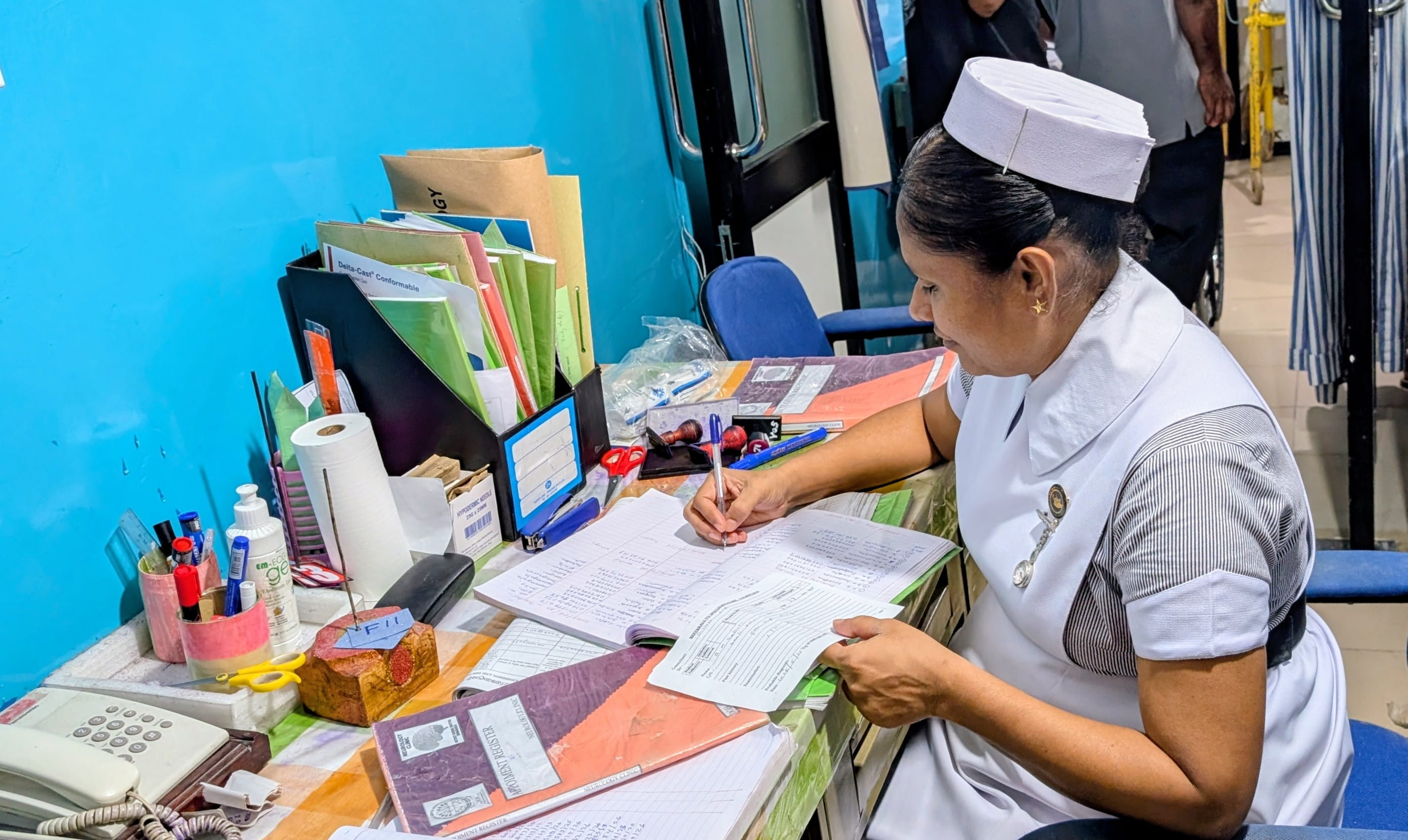
The Nutrition Unit at District General Hospital (DGH) Monaragala provides essential evidence-based dietary interventions, clinical nutritional assessments, and therapeutic counseling to optimize patient recovery and promote long-term health. The unit works alongside medical and surgical teams to treat malnutrition, manage metabolic disorders, and support patients who cannot maintain a standard diet.
Clinical Nutritional Assessments: Conducting detailed evaluations of patients' nutritional status using anthropometric measurements (such as body mass index and mid-upper arm circumference), biochemical markers, and dietary histories to identify malnutrition or specific nutrient deficiencies.
Therapeutic Diet Planning: Designing customized meal plans for inpatients with specific medical needs, including low-sodium diets for cardiac patients, carbohydrate-controlled diets for individuals with diabetes, and specialized low-protein protocols for those with chronic kidney disease.
Enteral and Parenteral Nutrition Support: Formulating and supervising specialized feeding regimens for critically ill patients in the Intensive Care Unit (ICU) or specialized wards. This includes enteral tube feeding (delivery of nutrients directly into the stomach or GI tract) and parenteral nutrition (intravenous feeding) for patients unable to oral feed.
Maternal and Pediatric Nutrition Counseling: Providing targeted nutritional guidance for expectant mothers in the obstetrics wards to prevent gestational complications, and working with the pediatrics department to manage childhood malnutrition, growth faltering, and severe acute malnutrition (SAM).
Non-Communicable Disease (NCD) Dietary Management: Conducting regular outpatient counseling sessions focusing on lifestyle modifications, weight management strategies, and practical dietary shifts to assist in the long-term management of hypertension, hyperlipidemia, and metabolic syndrome.
Community and Inpatient Education: Organizing regular awareness programs to educate patients and their caregivers on food safety, optimal breastfeeding practices, cost-effective balanced diets using locally available ingredients, and proper hygiene in food preparation.